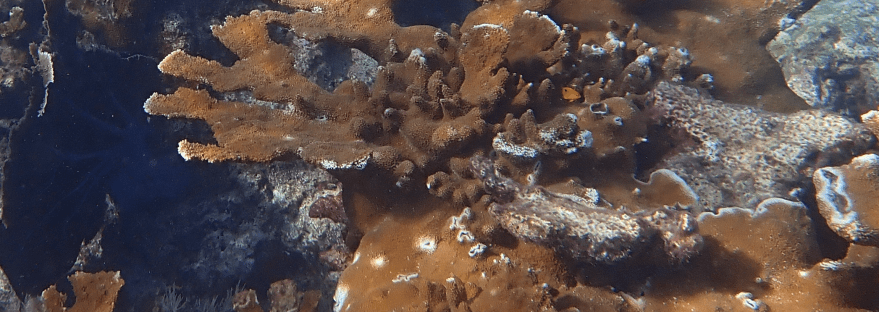
This paper gives a substantial and thorough review of existing and evolving intervention methods for coral reef restoration efforts. It specifically focuses on intervention methods that expand coral's natural ability to adapt to small changes in environmental conditions. By expanding these natural abilities, the hope is that we may be able to help coral adapt quickly enough to have a chance at surviving climate change.
Category: Research
Reef Building Coral Presentation
A recent assignment for my Marine Biology class was to present on a chosen marine animal. Obviously, I chose coral. This is a collaborative work with my group members credited in the presentation. You can click through the slides to see what we put together.
Learning about Symbiodinium
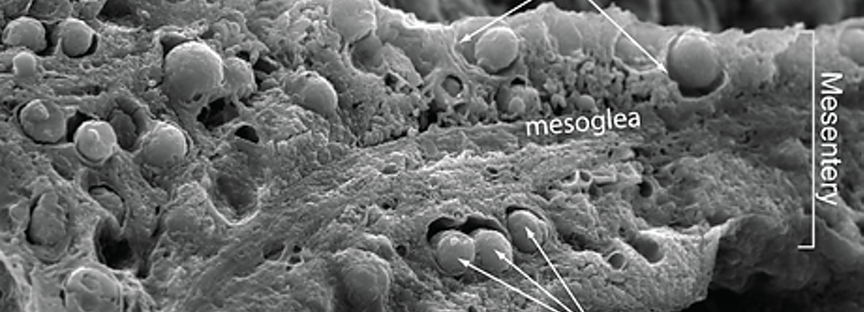
One of the many reasons coral reefs are so remarkable is the symbiotic relationship between the heterotrophic coral species and the unicellular algae most commonly known as "zooxanthellae". The term "zooxanthellae" is used to refer to an enormous and incredibly diverse group of endo-symbionts including many diatoms and dinoflagellates. This is confusing as it generalizes taxonomically diverse symbiotic relationships. The Symbiodinium are part of the Phylum Dinophyta (Dinoflagellates) and the clade Alveolates. Because of the diversity of species and the complexity of clades and taxonomic groupings for these organisms, they are better and more accurately referred to by their genus โSymbiodiniumโ which encompasses an enormous group of endosymbiotic dinoflagellates.
Cleaning stations
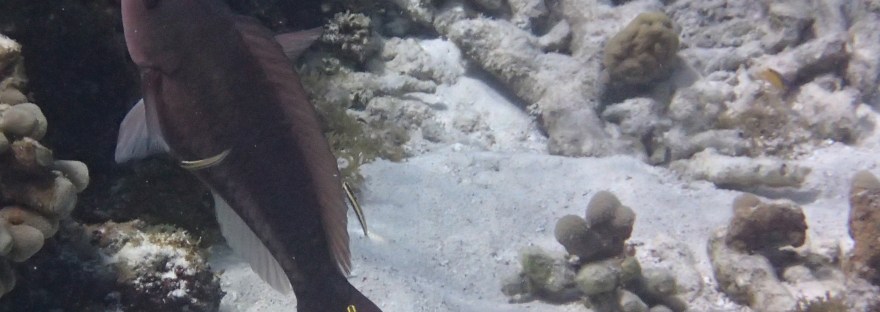
This is an Initial Phase Queen Parrotfish being cleaned (most likely) by juvenile bluehead wrasse and are the best photos we've ever gotten of cleaner fish in action. I learned about this amazing occurrence from a fishinar presentation "Cleaning Stations" given by Ned Deloach (co-author of everyone's favorite fish ID books) that I really began to understand the importance of cleaning stations and the amazing relationships that play out there.