I had been volunteering at MOTE for a while before I finally saw the calico crab in the grassflats exhibit. This is normal though since these small crabs only grow up to about 3 inches and prefer to bury themselves in the sandy or muddy substrate of their habitat so only their eyes are exposed. This behavior, along with their coloring helps them hide from predators.
Banded Tulip Snail
Similarly to the calico crab - it took some before I got to see the banded tulip snail who spends most of its time buried in the sand. In addition to hiding strategies, these gastropods can seal their shells with their operculum and use their muscular foot to escape If they feel threatened.
Kayaking in the Mangroves
I recently completed my volunteer training to be an aquarium guide at MOTE Marine Laboratory & Aquarium. The training section about mangroves reminded me of this kayaking trip I took last November. I got to kayak through the mangrove tunnels near beautiful shell key preserve. It was an absolutely amazing area that seems even more fantastic now that I know so much more about mangroves!
Coral Restoration with my family
Everytime I visit the Keys, I always try to work in some time learning about and doing coral restoration. On this trip, the Coral Restoration Foundation team was able to accomodate my family for the morning learning session.
Snorkeling at the Florida Keys Aquarium
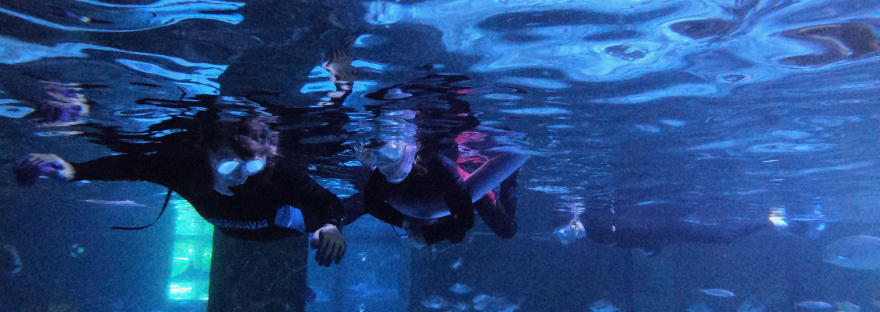
The Florida keys Aquarium offers a great selection of truly amazing and unique hands-on experiences for families to learn about and interact with marine life. We signed up for the Coral Reef Snorkel Encounter where we got to get into the huge saltwater aquarium with all kinds of reef fish to snorkel and feed the animals. In preparation for this encounter, we had gone to the beach the day before to test out and practice with our snorkel gear. I'm glad we did this because it made this day much smoother and our snorkel experience was more focused on the animals we got to see rather than the functional aspects of snorkeling.