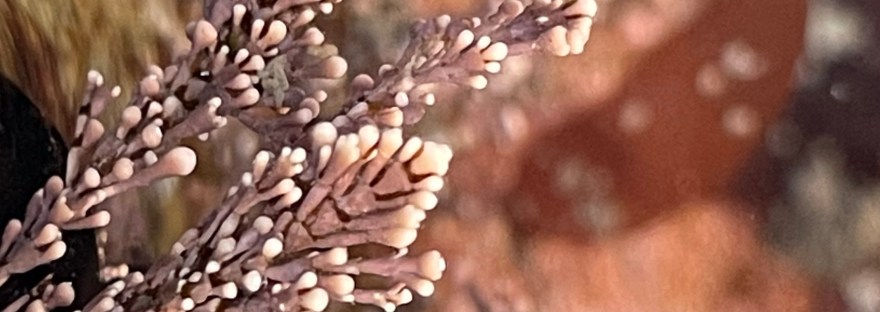
Articulated red coralline algae grows in intertidal and subtidal coastal areas such as the tidepools where these photos were taken. The name "coralline" refers to the fact that these coral deposit calcium carbonate in their cell walls creating a hard outer covering that bears a resemblance to coral. This calcification of the thallus serves primarily to deter most herbivory as the hard material is extremely difficult to bite or chew.
Tag: Biology
Horseshoe Crabs are amazing!
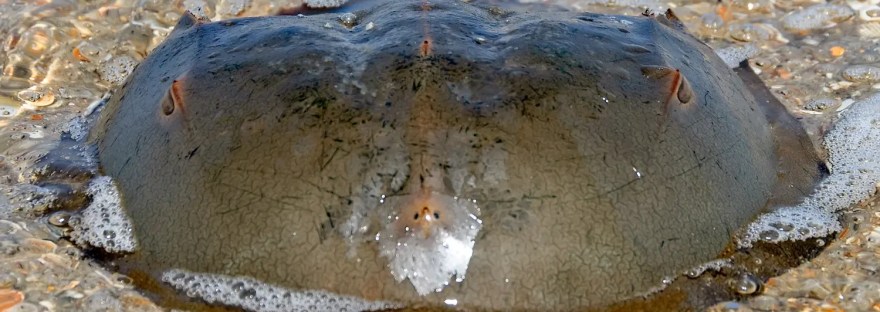
I am constantly being surprised and delighted by horseshoe crabs! From their funny, bumper car-like walk and tiny, skittery feet to their ancient ancestry and their life-saving medical properties, these creatures are endlessly amazing.
Atlantic Guitarfish and Cownose Stingray interact
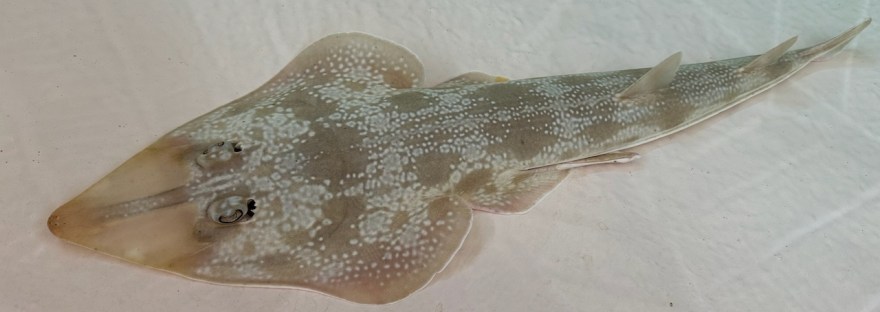
One of my absolute favorite things I get to do as a volunteer at MOTE is watch the skate (atlantic guitarfish) and rays and talk to guests about them. Its difficult to avoid anthropomorphizing these adorable creatures. The skate seems particularly charismatic and spends most of his time swimming around the edge of the enclosure… Continue reading Atlantic Guitarfish and Cownose Stingray interact
Symbiotic Cleaning Relationships
Late January I wrote a post about cleaning stations and recently, at MOTE I got to see some cleaning behavior close up. It is utterly amazing to see these two species work together so well. The small blue fish is a Caribbean neon goby more commonly called a cleaner goby because of its cleaning behavior.… Continue reading Symbiotic Cleaning Relationships
How do sea cucumbers eat?
Have you ever been snorkeling and seen something loaf shaped on the bottom and wondered what on earth that was? Well, most likely you were looking at a Sea Cucumber. Sea Cucumbers are in the same Phylum (Echinodermata) as sea stars - they have tube feet powered by a water-vascular system that they use to walk along the bottom of the ocean.