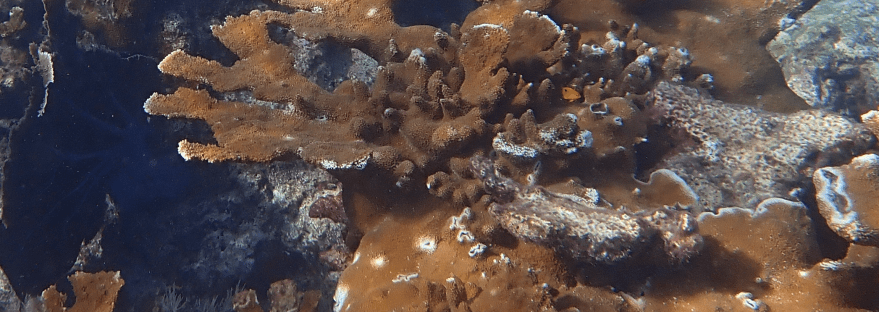
In response to the growing need to identify coral genotypes with greater resilience to thermal stress and bleaching, the CBASS system was conceived and developed in order to help identify thermal resilient coral genomes. CBASS is a standardized, low-cost, portable experimental system that uses customizable temperature control and flow-through aquaria to conduct standardized empirical assessments of coral thermal limits.
Tag: coral reef
Helping coral survive climate change using their innate adaptive abilities
This paper gives a substantial and thorough review of existing and evolving intervention methods for coral reef restoration efforts. It specifically focuses on intervention methods that expand coral's natural ability to adapt to small changes in environmental conditions. By expanding these natural abilities, the hope is that we may be able to help coral adapt quickly enough to have a chance at surviving climate change.
Reef Building Coral Presentation
A recent assignment for my Marine Biology class was to present on a chosen marine animal. Obviously, I chose coral. This is a collaborative work with my group members credited in the presentation. You can click through the slides to see what we put together.
Interacting with a Bahama Sea Star at Contact Cove
Bahama sea stars have eyes at the tips of each arm. These eyes are capable of seeing light and dark areas and can form very low resolution images with no color. You can experience this for yourself with a very simple experiment.
How do sea cucumbers eat?
Have you ever been snorkeling and seen something loaf shaped on the bottom and wondered what on earth that was? Well, most likely you were looking at a Sea Cucumber. Sea Cucumbers are in the same Phylum (Echinodermata) as sea stars - they have tube feet powered by a water-vascular system that they use to walk along the bottom of the ocean.