
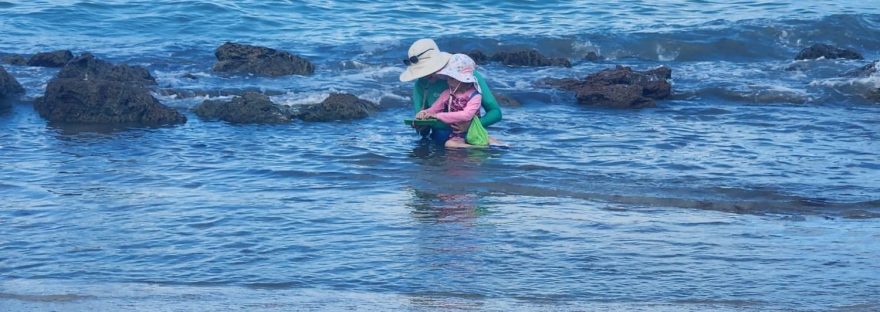
This summer I got to take my niece and nephew shark tooth hunting at Caspersen Beach in Florida. Caspersen beach is renowned for its abundance of fossilized shark teeth, and as such, is a popular destination for fossil hunters.

Though the kids may have been a bit too young to fully appreciate the process of finding the fossils, there was a great deal of fun to be had climbing on uncle Chuck!

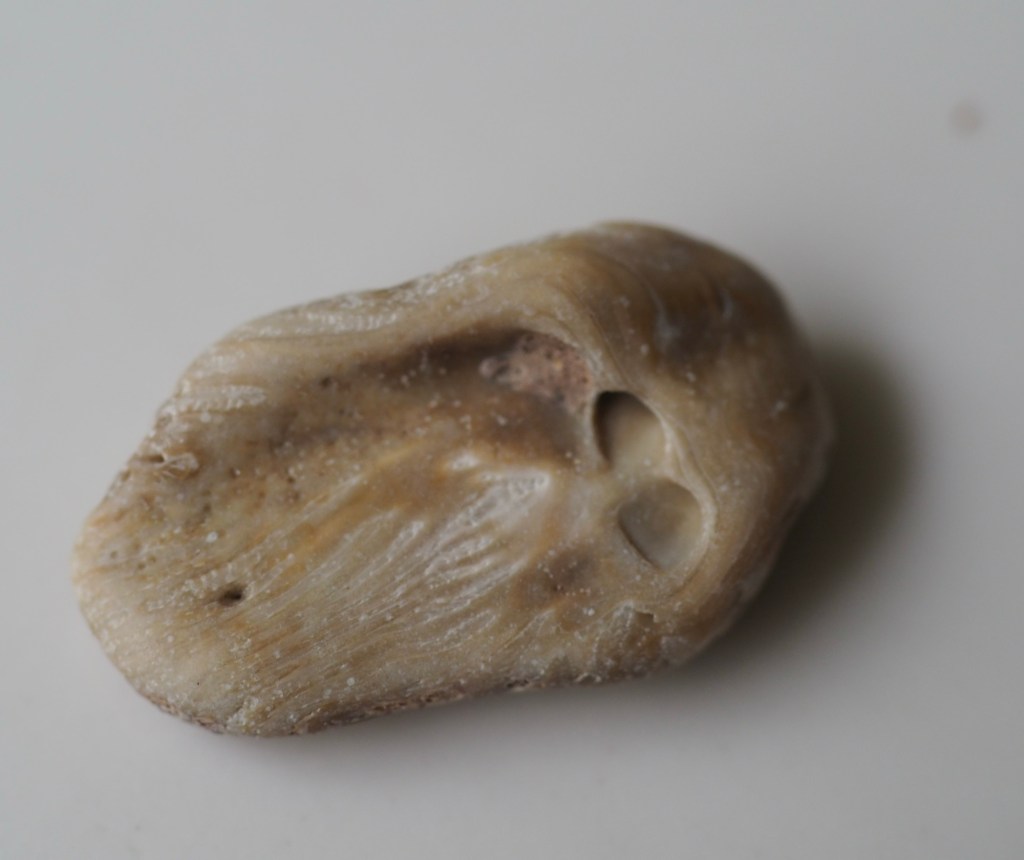
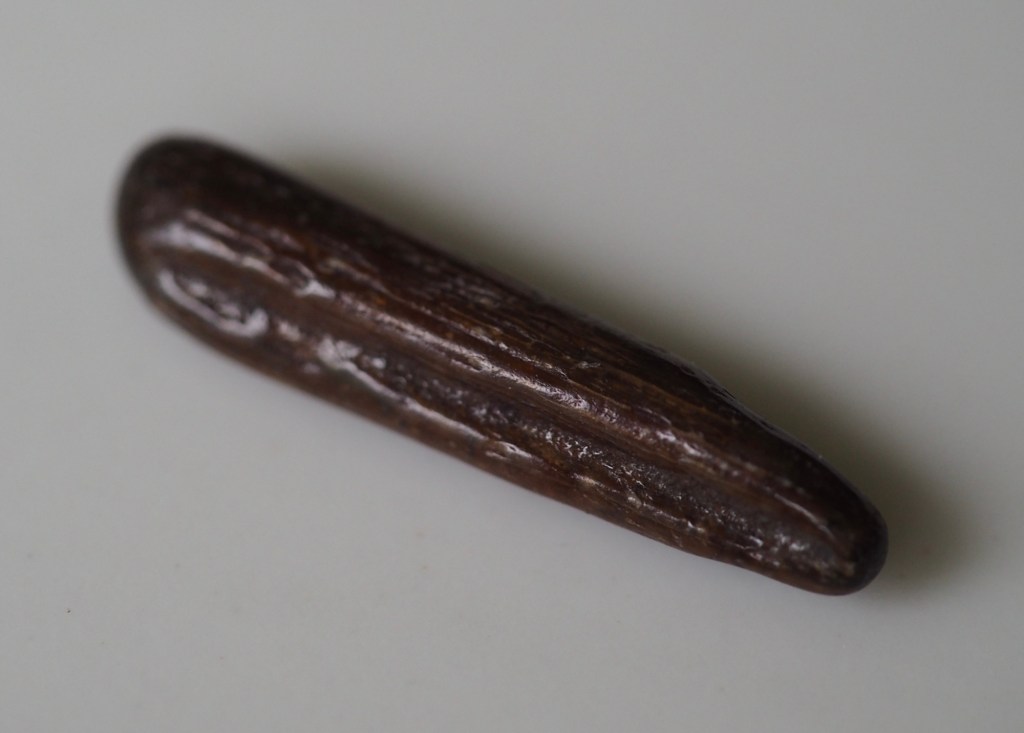
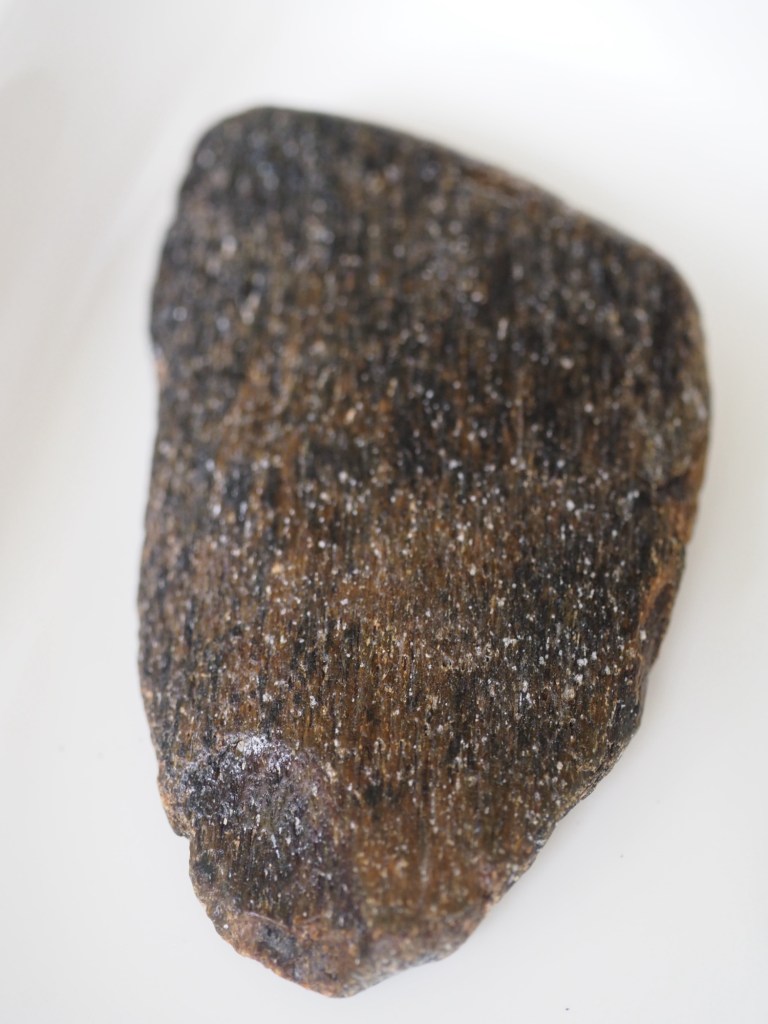
Despite the shorter attention spans we were working with, we did manage to find a handful of fossils and among them a few particularly good specimens.
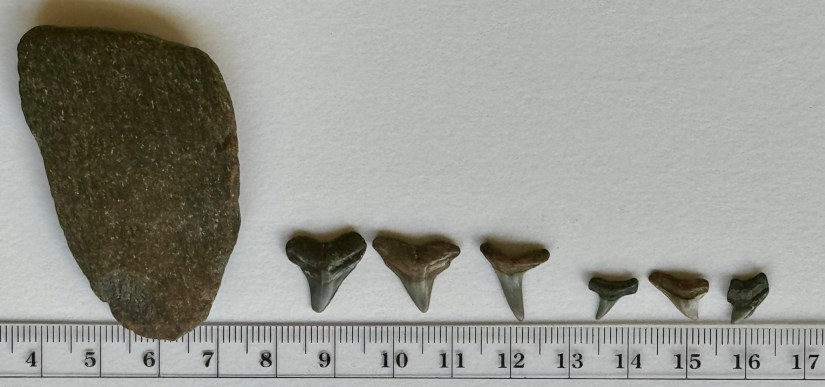
While looking for shark teeth I couldn’t help but wonder why this beach has so many fossils? How did they get here specifically and why are they so easy to find all the time?
One reason for this abundance of fossils at Caspersen Beach is its location; there is a distinct fossil layer ranging from 18-35 feet deep in the surrounding Venice area. Caspersen beach is a reflective beach with a narrow strip of coarse sand and a steep drop off with waves that break heavily at the shoreline. While all these factors make Caspersen beach a poor swimming spot, they also make it a great fossil hunting spot by continually eroding this layer, washing the fossilized teeth onto the beach.
Additionally, the phosphate-rich sands in this region help preserve and reveal these ancient fossils. The consistent deposition and erosion cycles ensure a steady supply of fossilized shark teeth, making Caspersen Beach a hotspot for fossil hunters. This natural process, combined with the area’s rich prehistoric marine life, explains the remarkable concentration of shark teeth found here.
The abundance of fossilized shark teeth at Caspersen Beach is largely due to the region’s ancient geological history. Approximately ten million years ago, Florida was submerged underwater, providing an ideal habitat for a diverse population of sharks. As these prehistoric sharks died, their skeletons disintegrated, but their durable teeth fossilized over time. The shifting geological processes, including sedimentation and tectonic movements, buried these teeth deep within the earth. Over millennia, erosion and other natural forces gradually exposed these fossil layers, bringing them closer to the surface.
I’ll be honest with you – I have been waiting to post this for a while because I wanted to identify all the shark teeth we found, but I haven’t had time yet so I’ll post this now and add an update when i have the chance.
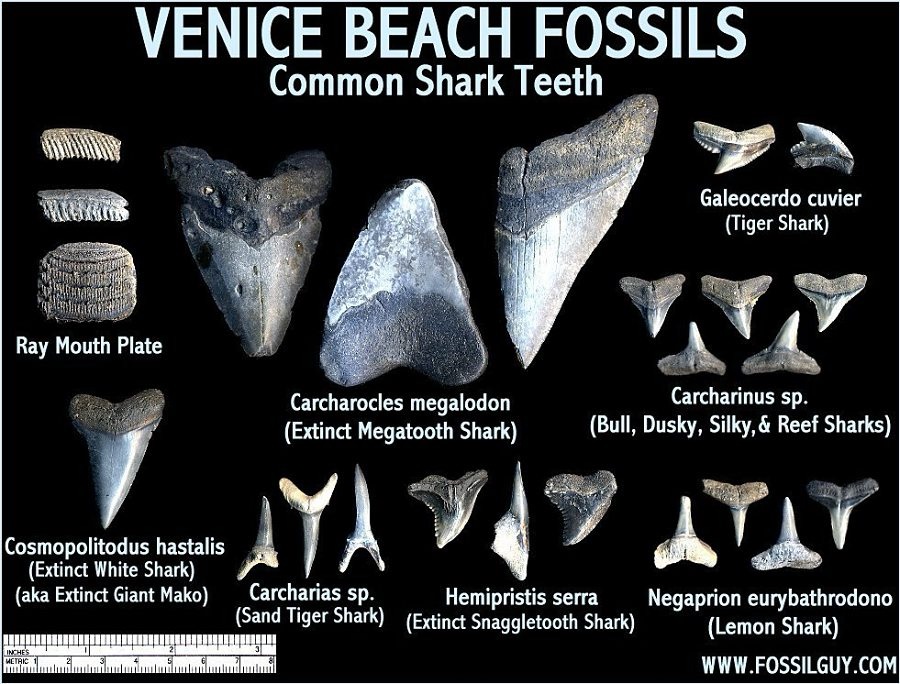

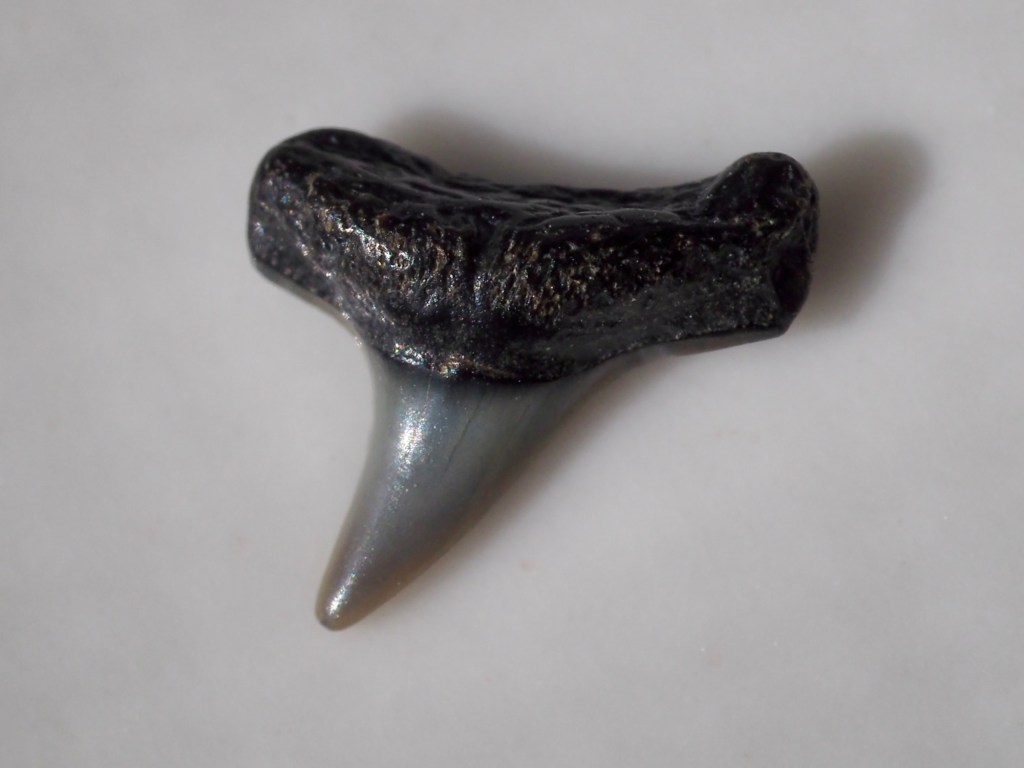


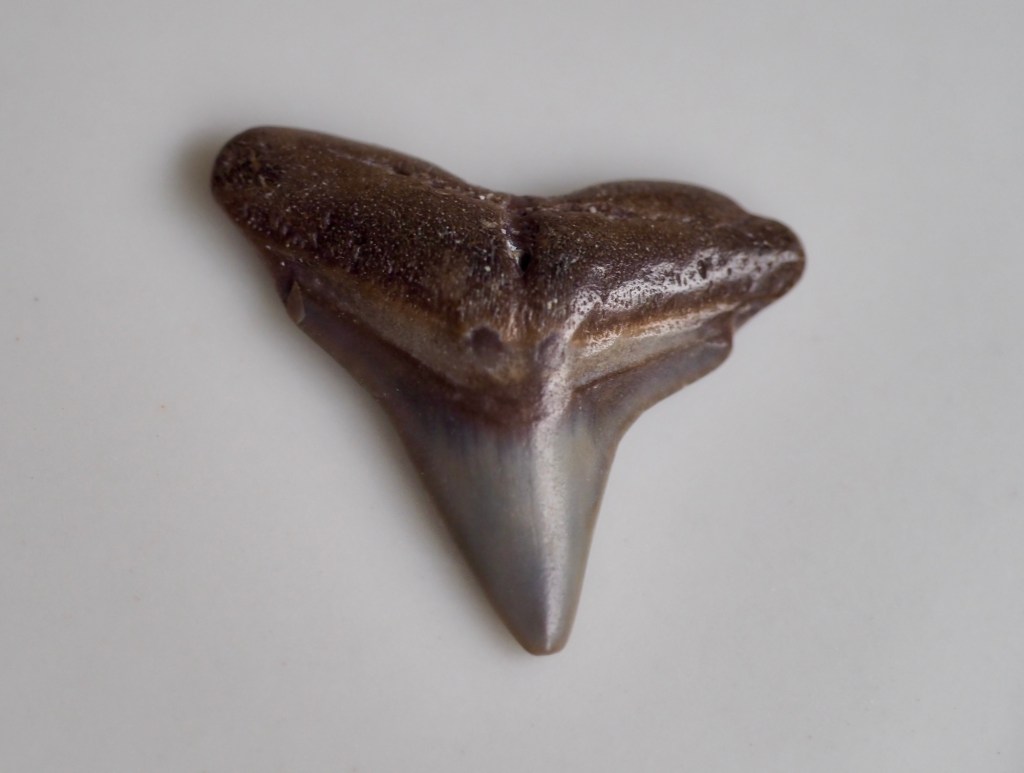
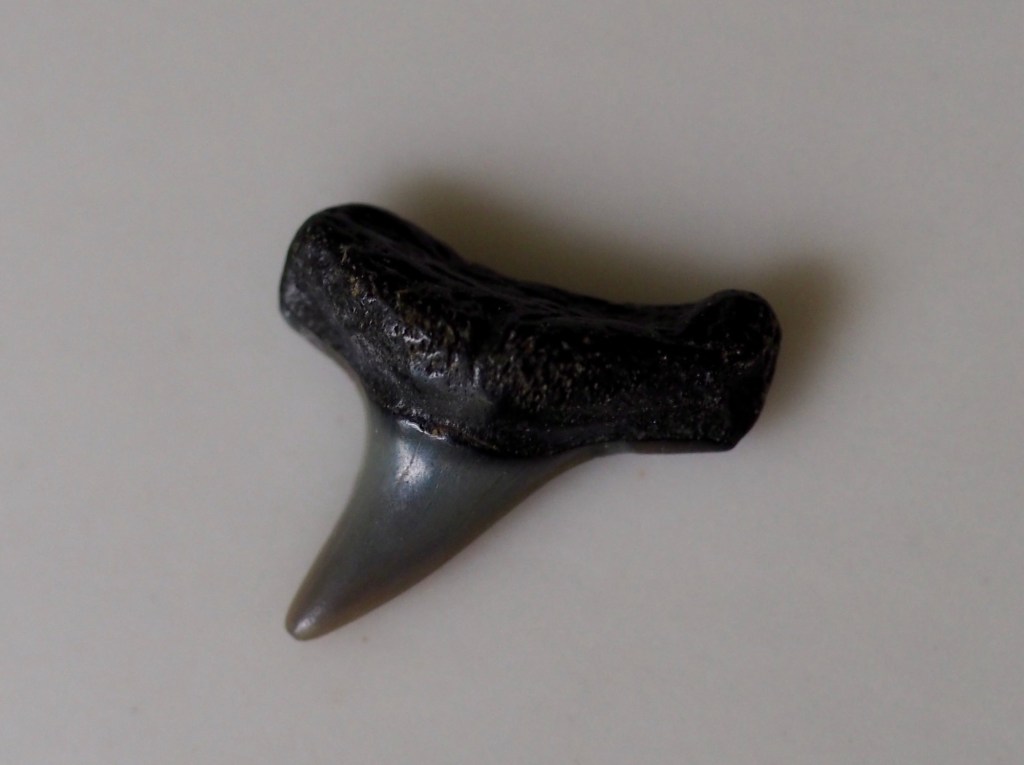

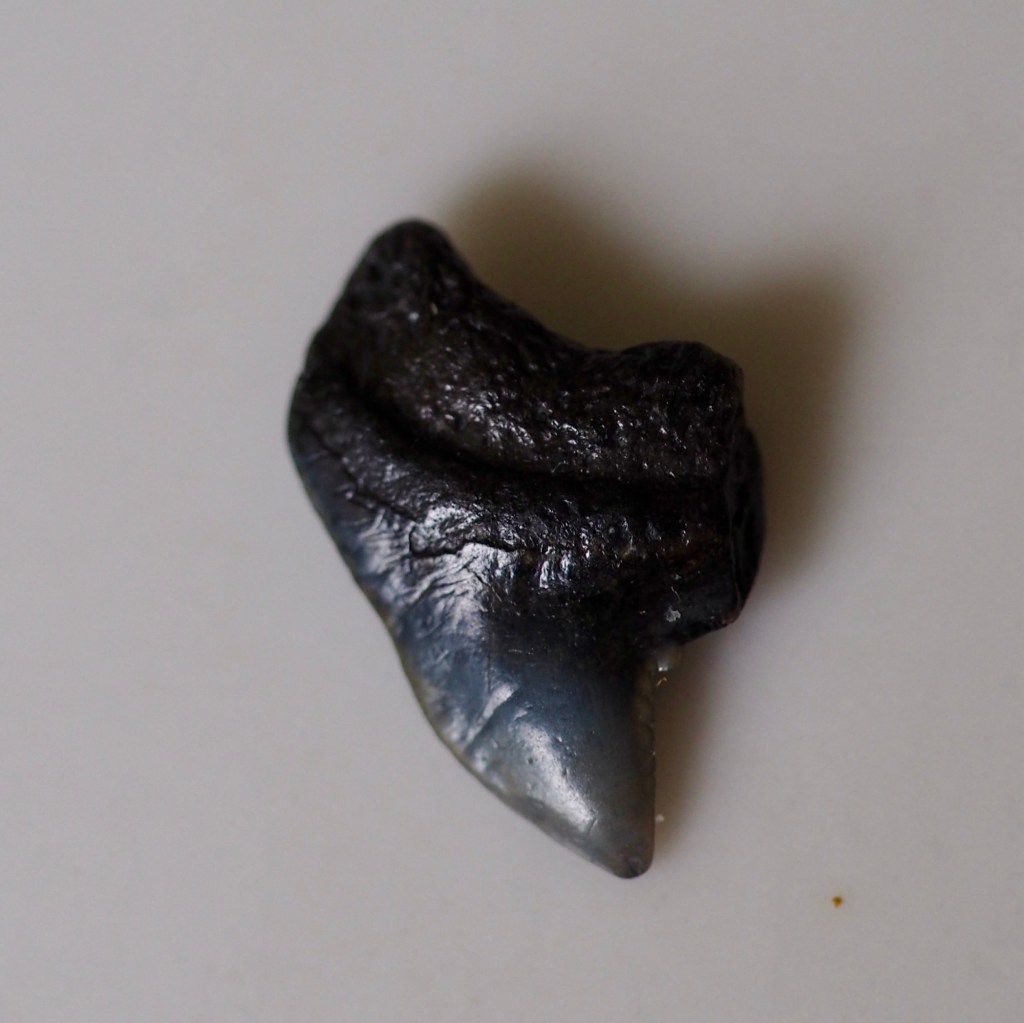
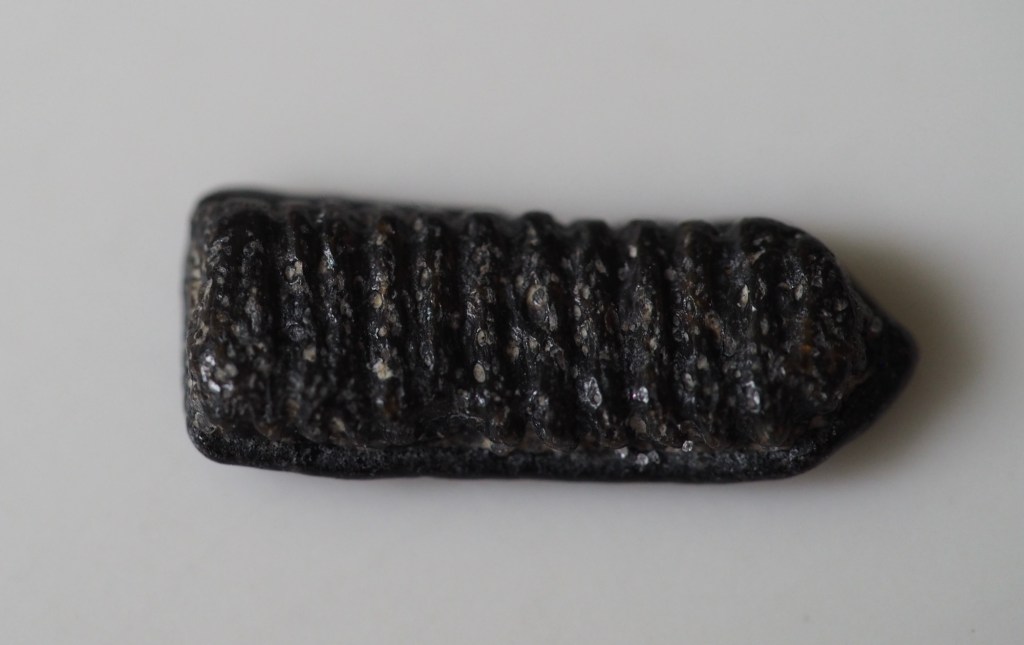






https://www.floridamuseum.ufl.edu/florida-vertebrate-fossils/species/carcharodon-hastalis/
https://www.fossilguy.com/sites/venice/index.htm
https://shrkco.com/blogs/shark-tooth-hunting-adventures/fossil-shark-tooth-identification-chart
https://www.visitsarasota.com/article/guide-venices-shark-tooth-capital-world
https://www.mustdo.com/articles/hunt-for-sharks-teeth-on-caspersen-beach-in-venice/
 Erica Lauer Vose