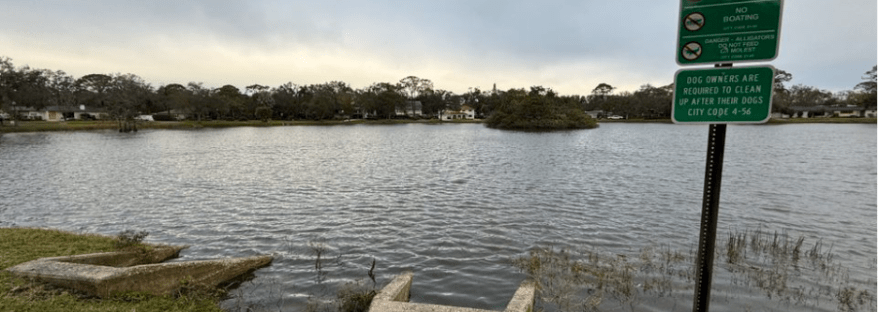
The purpose of this study was to identify a bacterial sample collected from a local storm water reservoir using the 16S rRNA gene to identify it. The genetic sequence was then used to explore the evolutionary relationships of the identified bacteria. A freshwater sample from Lake Pasadena was cultured, and DNA was extracted from a selected colony. The 16S rRNA gene was amplified via PCR and confirmed by gel electrophoresis (~1500 bp). Sequencing and BLAST analysis identified the bacterium as Acinetobacter johnsonii. Phylogenetic analysis using MEGA11 placed it within a eurytopic group of Gammaproteobacteria, capable of surviving diverse environments. Sub-tree groupings highlight habitat adaptability and catalase activity as a key ecological trait.
Tag: Biology
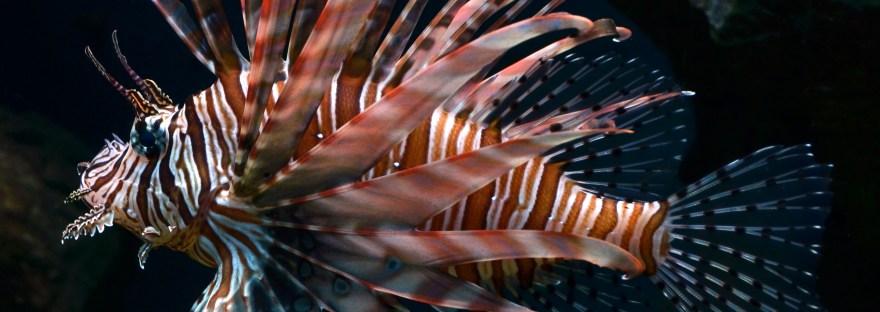
Are invasive Lionfish affected by population density?
Invasive species are a significant source of biodiversity loss in a given habitat. This is largely because they can quickly reach high population levels and outcompete native individuals. This rapid population growth will usually result in significant, harmful overall impact on ecosystems. This study examines the population density factors of the invasive Indo-Pacific red lionfish… Continue reading Are invasive Lionfish affected by population density?
Shark Teeth from Caspersen Beach
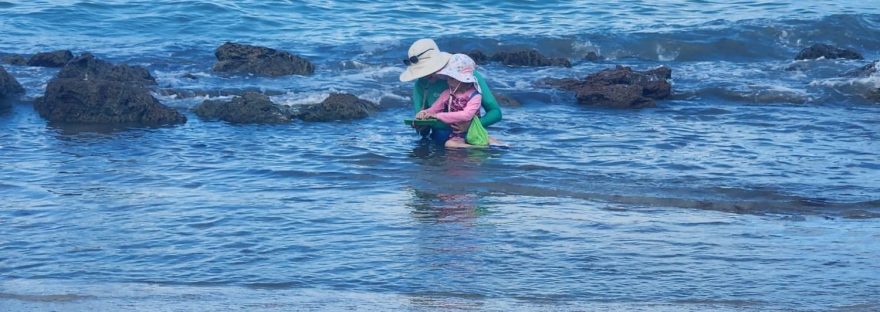
This summer I got to take my niece and nephew shark tooth hunting at Caspersen Beach in Florida. Caspersen beach is renowned for its abundance of fossilized shark teeth, and as such, is a popular destination for fossil hunters.
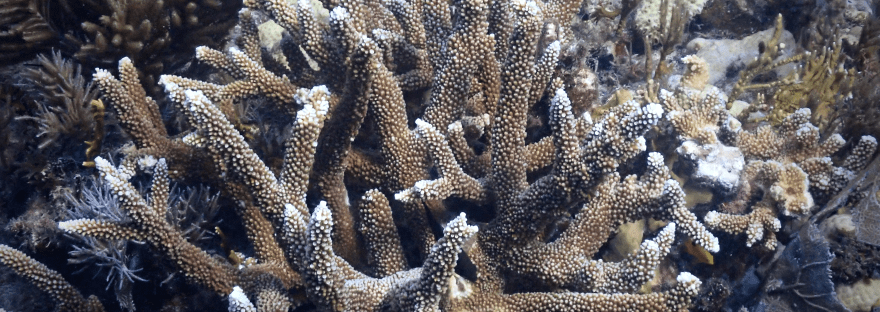
Heat tolerance among Florida’s threatened staghorn corals
As the effects of climate change increase, organizations throughout the the Florida keys have ramped up their restoration efforts. However, without identifying heat-tolerant coral genomes, these restoration efforts cannot succeed. Heat-tolerant corals are crucial to conservation efforts for a number of reasons including; outplanting more resilient corals in restoration projects, selective breeding projects, and understanding the evolutionary potential of this coral species. This paper presents research findings on tests conducted to measure heat tolerance of Staghorn Coral (Acropora Cervicornis) that is critically endangered and a focal species for most restoration efforts in the Florida Keys.
Urban Ecological Restoration Project with SoUL
This month I got to volunteer with SoUL (Stewards of our Urban Lakes) to plant native plants along the shore of my neighborhood lake. SoUL's mission is "to improve water quality and restore the natural habitat of urban lakes through the education and engagement of our communities." SoUL has partnered with the City of St. Petersburg to work on restoring the health of several lakes throughout the city. This month, they were working on the lake a few blocks from where I live so we all got to join in on the fun!