This collection of Butterflyfish make up the second installation of my fish coloring book. My plan for this coloring book is to represent either fish that my niece would be most likely to see when snorkeling or fish that would be fun to color. While I'm not sure we'll be so lucky as to get to see butterfly fish while snorkeling (fingers crossed), I think Butterfly fish are really beautiful and definitely meet the second criteria!
Category: Coral Reef Species & Ecology
The Snapper Family
This small collection of drawings of fish from the Snapper Family marks the first installation of my fish coloring book. I chose yellowtail snapper and Schoolmaster to start my fish coloring book project because I wanted to make this a collection of fish that my niece would be most likely to see when snorkeling (or fish that would be fun to color). I don't think I've ever been out diving or snorkeling in the Keys without seeing a Yellow tail snapper or a Schoolmaster.
A Fish Journal for a six-year-old
My six-year-old niece is coming to visit and we are going snorkeling! I'm very excited! Not only because she's a fun kid to hang out with, but also because she shares my love of fish and learning about the ocean. So, I've been thinking about all the things we could do together and how I might need to adapt them a bit for a tiny person.
Diving with The Coral Restoration Foundation (CRF)
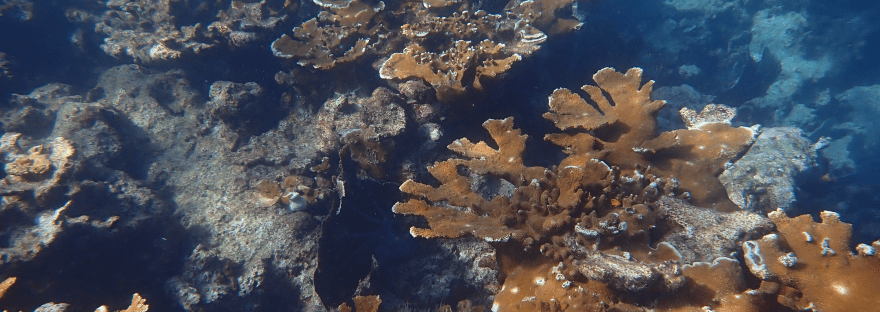
Five years after I first learned about CRF and their volunteer & dive programs, I was finally able to join them for a dive! The morning session was great - we learned about the economic and environmental cost of losing coral reefs as well as CRF restoration methods and techniques. There was a good deal… Continue reading Diving with The Coral Restoration Foundation (CRF)
Learning about Symbiodinium
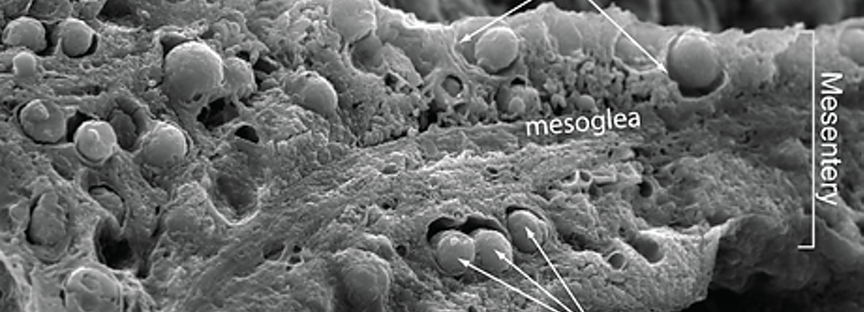
One of the many reasons coral reefs are so remarkable is the symbiotic relationship between the heterotrophic coral species and the unicellular algae most commonly known as "zooxanthellae". The term "zooxanthellae" is used to refer to an enormous and incredibly diverse group of endo-symbionts including many diatoms and dinoflagellates. This is confusing as it generalizes taxonomically diverse symbiotic relationships. The Symbiodinium are part of the Phylum Dinophyta (Dinoflagellates) and the clade Alveolates. Because of the diversity of species and the complexity of clades and taxonomic groupings for these organisms, they are better and more accurately referred to by their genus “Symbiodinium” which encompasses an enormous group of endosymbiotic dinoflagellates.