Biology, Coral Reef Species & Ecology

A Fish Journal for a six-year-old

My six-year-old niece is coming to visit and we are going snorkeling! I'm very excited! Not only because she's a fun kid to hang out with, but also because she shares my love of fish and learning about the ocean. So, I've been thinking about all the things we could do together and how I might need to adapt them a bit for a tiny person.

Citizen Science

Citizen Science with CRF

Last February, I wrote about CRF's Citizen Science program and now, almost a year later I had the chance to try out some citizen science and help monitor the coral out-planted by CRF. Our last dive over Christmas was to Pickles Reef - the southernmost location in the north cluster of sites listed on the… Continue reading Citizen Science with CRF

Adventure, Citizen Science, Coral Reef Species & Ecology

Diving with The Coral Restoration Foundation (CRF)

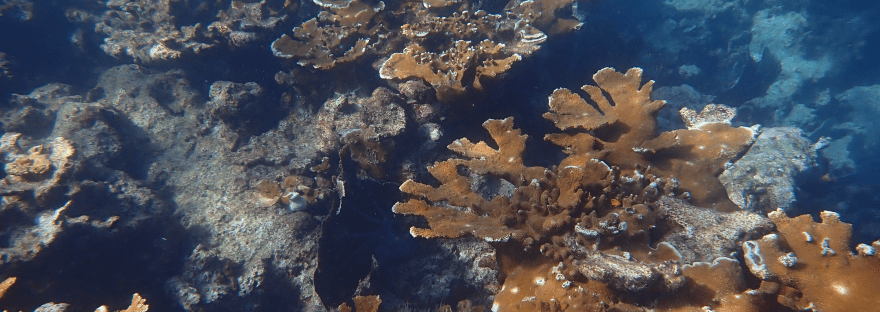
Five years after I first learned about CRF and their volunteer & dive programs, I was finally able to join them for a dive! The morning session was great - we learned about the economic and environmental cost of losing coral reefs as well as CRF restoration methods and techniques. There was a good deal… Continue reading Diving with The Coral Restoration Foundation (CRF)

Native Plants & Pollinators

Polka Dot Wasp Moth

I was admiring another new butterfly that showed up in my backyard last week when this stunning creature landed on a flower right in front of me. I took several pictures and then ran inside to look it up. So now I know this is a Polka Dot Wasp Moth - and it is actually a moth. You can see the feather-like shape of its antennae in this photo. It also has the characteristic spread out resting wing shape where a butterfly would fold its wings up over its back. Although most moths are nocturnal, the Polka dot wasp moth is diurnal (active during the daytime).

Biology

Lumens are for Humans; PAR is for Plants

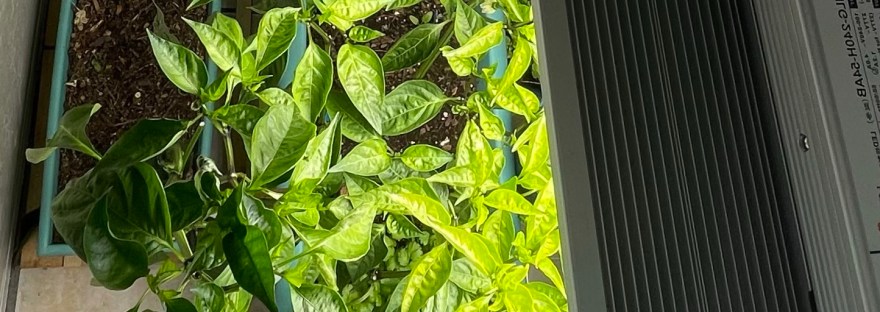
Learning about hydroponics was my COVID project. It was something I had wanted to learn for a long time and this was the perfect opportunity. I decided early on that a grow light would be my primary (and biggest) investment. Since then, I have experimented and explored all kinds of different growing methods and systems and I still think choosing a grow light carefully is the most important step. This post is the result of my own deep-dive into grow lights and my explanation of how to best use artificial light sources for autotrophic (self-feeding - aka photosynthetic) organisms.