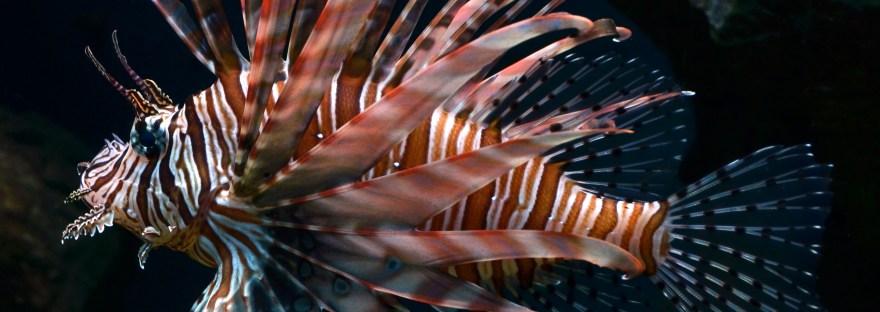
Invasive species are a significant source of biodiversity loss in a given habitat. This is largely because they can quickly reach high population levels and outcompete native individuals. This rapid population growth will usually result in significant, harmful overall impact on ecosystems. This study examines the population density factors of the invasive Indo-Pacific red lionfish… Continue reading Are invasive Lionfish affected by population density?
Tag: coral reef
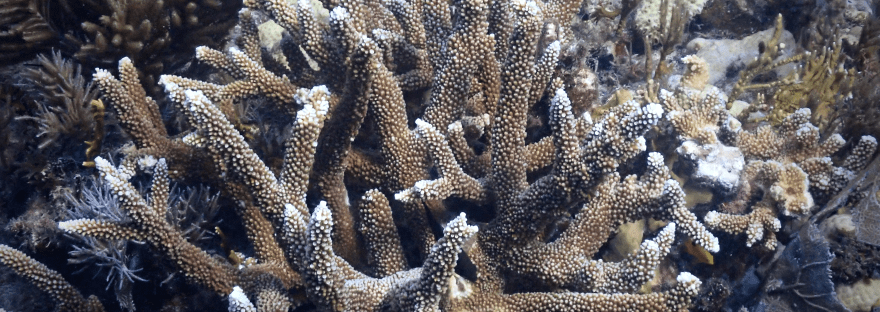
Heat tolerance among Florida’s threatened staghorn corals
As the effects of climate change increase, organizations throughout the the Florida keys have ramped up their restoration efforts. However, without identifying heat-tolerant coral genomes, these restoration efforts cannot succeed. Heat-tolerant corals are crucial to conservation efforts for a number of reasons including; outplanting more resilient corals in restoration projects, selective breeding projects, and understanding the evolutionary potential of this coral species. This paper presents research findings on tests conducted to measure heat tolerance of Staghorn Coral (Acropora Cervicornis) that is critically endangered and a focal species for most restoration efforts in the Florida Keys.
The Coral Bleaching Automated Stress System (CBASS)
In response to the growing need to identify coral genotypes with greater resilience to thermal stress and bleaching, the CBASS system was conceived and developed in order to help identify thermal resilient coral genomes. CBASS is a standardized, low-cost, portable experimental system that uses customizable temperature control and flow-through aquaria to conduct standardized empirical assessments of coral thermal limits.
Helping coral survive climate change using their innate adaptive abilities
This paper gives a substantial and thorough review of existing and evolving intervention methods for coral reef restoration efforts. It specifically focuses on intervention methods that expand coral's natural ability to adapt to small changes in environmental conditions. By expanding these natural abilities, the hope is that we may be able to help coral adapt quickly enough to have a chance at surviving climate change.
Reef Building Coral Presentation
A recent assignment for my Marine Biology class was to present on a chosen marine animal. Obviously, I chose coral. This is a collaborative work with my group members credited in the presentation. You can click through the slides to see what we put together.